
On February 18, 2023, I signed up with an account on OpenAI. I think I deleted some of my first prompts after realizing the history of my chats with Chad (ChatGPT) being recorded, but just days into using it, deleting conversations fell onto my ‘I’ll get to it someday’ list. Now with a persistent ‘Saved Memory Full’ message on my account, let’s take a look at my treasure trove of prompts during my last 2 1/2 years of using AI.
My First Prompts
My first saved prompt was on February 24, 2023. To anyone new to AI but used to the internet of that time, you’d probably ask something in the exact same way you’d ask Google:
Why were charter schools created?
Then I realized, you could ask follow-up questions, which you couldn’t do with Google:
How are they different?
How do they compare to magnet schools?
This was already a huge improvement over search engines. Previously, you’d check out the first few search results or go to the Wikipedia article to get a good summary. Now, by simply increasing the temperature of the planet a couple degrees per keystroke, I could have my research served to me on a silver platter!
Let’s see what other prompts I tried by killing a polar bear:
How much bad publicity did PG&E get after the movie Erin Brockovich?
How can I make my pancakes more fluffy?
What can I do if my kid swallows a penny?
Surely these things have never been documented online, and my invested research was of utmost importance! I needed the consensus of the entire internet to find answers – the opinions of every global intelligence agency!
Okay, so this information is probably in the first result of a Google search. How could I resist the allure of how answers are presented though? It’s literally as if I’m talking to a real person, and not just that, a person who talks like I do! However, I began thinking twice about the environmental impact of my searches and decided to reserve Google for my movie trivia, recipes, and general safety tips. Chad is much more sophisticated and doesn’t need to waste time on such nonsense.
My More Sophisticated Prompts
Okay, so my goal now was to keep my polar bear murders to a minimum and maybe use Chad to return more personalized results:
Draft a letter to a future landlord about the things that need to be taken care of before moving in.
I need help connecting up the electrical wires for a ceiling fan to a wall switch that has a light for one switch and fan for the second switch.
How do I take this door knob off? (with attached photo)
You could say I should just use my degree I earned from a journalism school and write a letter the old-fashioned way. Yes, you’re probably right. Installing ceiling fans and identifying a type of door knob though? That takes a little more work and Chad can even guide you through the process step-by-step through voice interaction! Yes, Chad spoke to me as I’m working with electricity. To be fair though, I’ve installed ceiling fans before, so I wasn’t a complete newb and all the fans work.
Electrocution jokes aside, I now felt more charged with how to communicate with Chad. I wasn’t using it the same way I’d use Google. Chad likes details and is very helpful if you state exactly what your goal is with what you have to work with. That’s what leads me to how I use AI models today.
Prompts on Steroids
I was listening to this episode of The Diary of a CEO podcast out of fear for my profession and came across the founder of Replit, Amjad Masad. Replit is a platform where users can create applications by simply explaining exactly what they want in plain language – aka Vibe Coding. My mind took off with possibilities! I can research, design, prototype, and I know a little code, but in-depth programming was really the obstacle that kept me from becoming a one-man machine.
I decided to try Replit and build an app for my future donut shop, a little dream I have. Could it be this easy? This seems too good to be true. I started with:
I would like to build an application for a donut store. I want to have the ability to monitor current inventory, including mess-ups and for customers to be able to order their donuts within a customer facing app. There would be discounts for orders by the dozen and coupon codes as well.
Replit’s came back with a plan and got to work. This was amazing! How cool will the future be when all you have to do is type what you want to perform in plain words, and AI will just build what you need? Why would we even need web designers or developers? Oh crap!
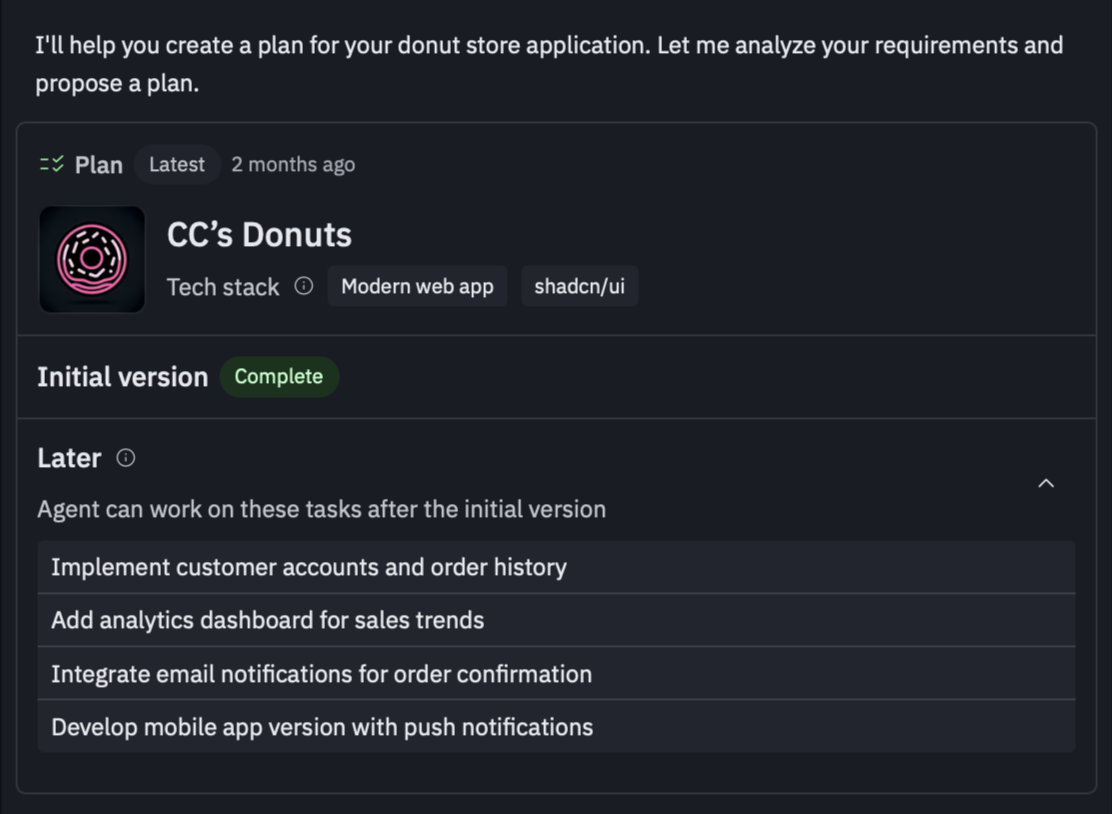
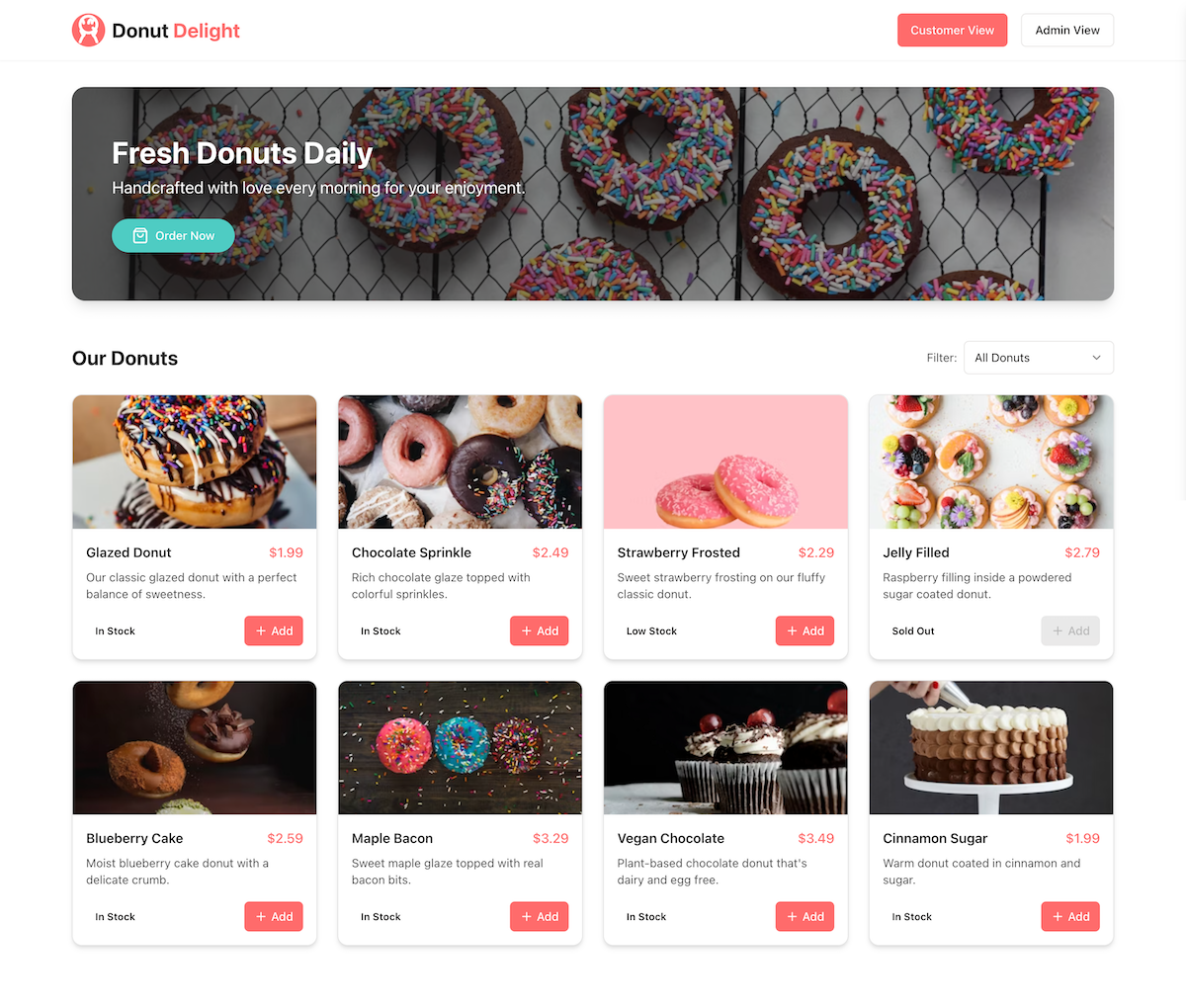

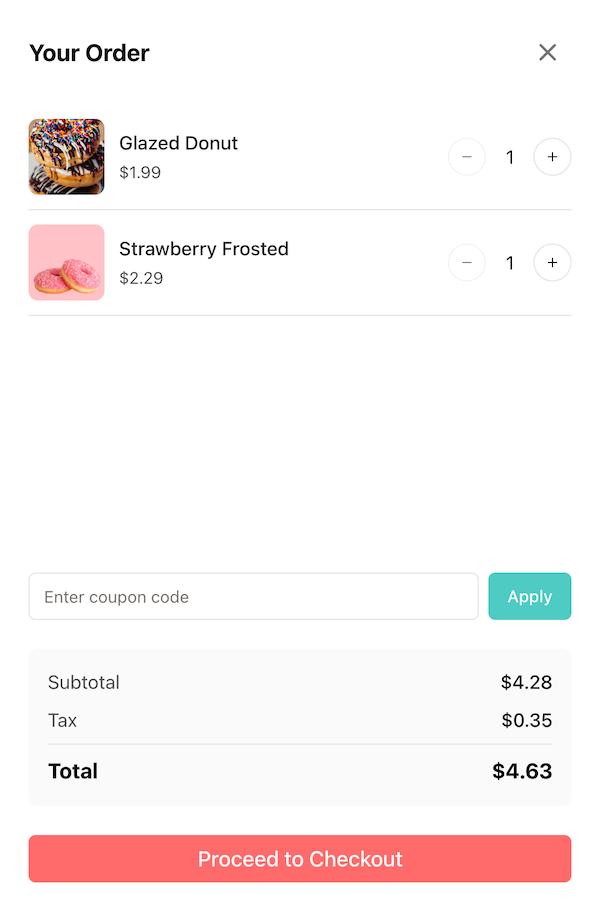
Okay, so this wasn’t a full production-ready application. It was certainly a great start though! That’s when I started doing a little more research into prompting and came across these very trustworthy types of influencers with unfortunate cases of lockjaw or splitting migraines:

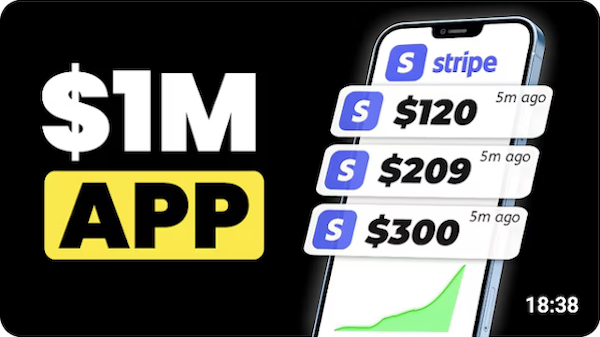

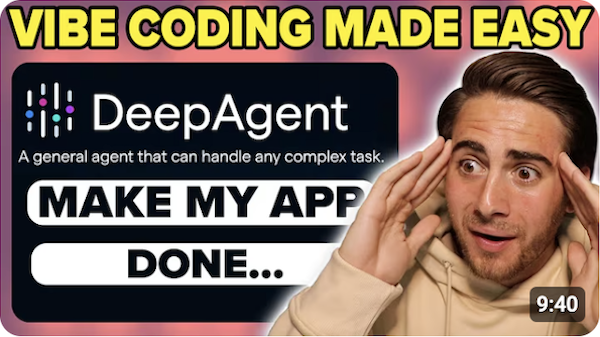
Side note: I hate when there’s a gold rush on something, and the first thing you start seeing are tons of people bragging about how much money you can make doing that one thing. If that’s the secret and money is their driving force, why are they wasting time with their current influencer career? How do they even have the time to create apps when they’re producing daily videos? Something fishy was going on, and I was going to get to the bottom of it.
Thinking Outside of the Prompts
Despite YouTube’s terrible preference for lockjaws and migraines in their algorithm, these videos at least touched on the types of tools that are out there and some good habits to include in an app development workflow. Some of the tips I learned include:
- Choose the right AI model for what you’re working on: You don’t need to waste AI tokens on expensive models for things like code syntax if you can have a cheaper model that can refer to the latest code documentation. Save the expensive models for things like planning your app, getting the latest workflows or design trends, or even cooler – generating detailed prompts in ways other AI models can understand clearly.
- Plan out your application with as much detail as you can before you even begin vibing: As you’ll see when I write about my Cursor experience in this series, you will save so much time iterating if AI has the roadmap and context for what’s being built. Otherwise, you’ll just be making corrections over and over again, wasting tokens.
- Have AI do the repetitive tasks by writing rules: There are things that have the same workflow in app development, no matter what project. These can be added to rules that essentially attach to every prompt you send to the AI model. Think of things like documentation, bug testing, or even an explanation of a fix in layman’s terms. I love being able to learn as AI builds.
Without fully investing in advice from YouTube tech bros, I moved onto some more professional – LinkedIn Learning tutorials. AI app development doesn’t all have to be about prompting skills. Sometimes it’s just using the right AI tools. Check out some of the great ones I found out about in the course ‘The AI-Driven Product Designer’:
User Research:
- Strella – AI-driven prototype validation that generates feedback sessions and summaries
- Kraftful – Get user feedback from various review sites or forums and consolidate all information into user stories and PRDs. It can then export these into Jira and Linea formats
- Otter – Generates well-detailed summaries of recorded meetings
Wireframes (other than Figma):
- UIzard – Converts screenshots or hand-drawn sketches into digital prototypes
- Relume – Generates sitemaps and website content and streamlines the information architecture process
Code Review:
- CodeRabbit – Performs code review and optimization
Does Vibe Coding Deserve the Bad Rep or Is It the Future of App Design?
Through writing this series, I hope to find where my UX and design skills still have a future. Next, I’ll walk through my experience using app development tools like Cursor and Claude Code with workflows that are already familiar to me. I truly feel we’re just optimizing traditional software development and incorporating faster techniques. Farming didn’t disappear when the tractor was invented, but field workers needed to learn the tools to stay relevant. I’m learning to operate today’s tractor in the journey of my AI evolution.

 Mark Praprotnik(http://www.MarkPraprotnik.com)